
18B
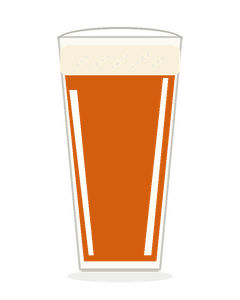
American Pale Ale
Pale American AleABV4.5–6.2%
IBU30–50
SRM5–10
Read parameter ranges and explore the character of neighboring styles.
Typically lighter in color, cleaner in fermentation profile, and having fewer caramel flavors than English counterparts. There can be some overlap in color between American Pale Ale and American Amber Ale. The American Pale Ale will generally be cleaner, have a less caramelly malt profile, less body, and often more finishing hops. Less bitterness in the balance and alcohol strength than an American IPA. Maltier, more balanced and drinkable, and less intensely hop-focused and bitter than session-strength American IPAs (aka Session IPAs). More bitter and hoppy than a Blonde Ale.
Hop and malt character similar to aroma (same intensities and descriptors apply). Caramel flavors are often absent or fairly restrained, but are acceptable as long as they don’t clash with the hops. Moderate to high bitterness. Clean fermentation profile. Fruity yeast esters can be moderate to none, although many hop varieties are quite fruity. Medium to dry finish. The balance is typically towards the late hops and bitterness; the malt presence should be supportive, not distracting. Hop flavor and bitterness often linger into the finish, but the aftertaste should generally be clean and not harsh. Fresh dry-hop flavor optional.
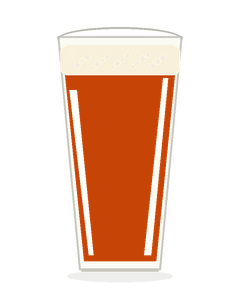
Stronger and more highly hopped than American Pale Ale. Compared to English IPA, has less caramel, bread, and toast; often more American or New World hops; fewer yeast-derived esters; less body and often a more hoppy balance; and is slightly stronger than most examples. Less alcohol than a Double IPA, but with a similar balance.
Medium to very high hop flavor (same descriptors as aroma). Low to medium-low clean and grainy maltiness, possibly with light caramel and toast flavors. Medium-high to very high bitterness. Dry to medium-dry finish. Hoppy, bitter aftertaste with supportive malt. Low esters optional. Background clean alcohol flavor optional.