
25A
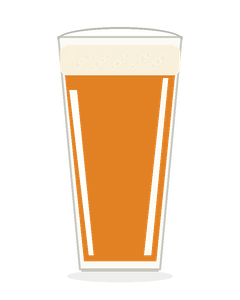
Belgian Blond Ale
Strong Belgian AleABV6–7.5%
IBU15–30
SRM4–6
25C
A very pale, highly attenuated, strong Belgian ale that is more fruity and hoppy than spicy. Complex and delicate, the dry finish, light body, and high carbonation accentuate the yeast and hop character. Sparkling carbonation and effervescent, forming a rocky white head.
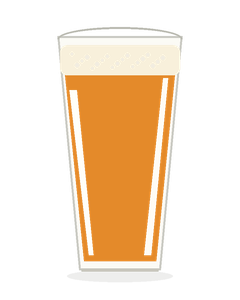 3–6 SRM
Alcohol · ABV
7.5–10.5%Bitterness · IBU
22–35Color · SRM
3–6Original gravity · OG
1.070–1.095Final gravity · FG
1.005–1.016Ranges describe a style, not an individual beer. Color is an approximation. Light and glassware change its appearance.
ABV, IBU and SRM explainedPale yellow to gold in color. Good clarity. Effervescent. Massive, long-lasting, rocky, white head resulting in characteristic Belgian lace on the glass as it fades.
A complex bouquet of fruity esters, herbal hops, and peppery alcohol over a nearly neutral malt base. The esters are moderate to high, often pome fruit, especially pear. Hops are herbal, floral, or spicy, low to moderate. Alcohol and phenols often have a peppery or perfumy quality, low to moderate. Alcohol perception should be soft, not hot or solventy. Nearly neutral malt, possibly slightly grainy-sweet.
Flavor profile similar to aroma (same descriptors and intensities apply) for esters, hops, malt, phenols, and alcohol. The pear-like esters, peppery alcohol, herbal hops, and soft malt flavors carry through the palate into the long, dry finish and aftertaste. Medium to high bitterness, accentuated by the dry finish and high carbonation, lasts into the aftertaste.
Very highly carbonated. Effervescent. Light to medium body, lighter than the substantial gravity would suggest. Carbonation accentuates the perception of lightness. Smooth but noticeable alcohol warmth, not hot or solventy.
Developed by the Moortgat brewery after WWI as a response to the growing popularity of Pilsner beers. Originally a darker beer, it achieved its modern form by the 1970s.
Pilsner malt with substantial sugary adjuncts. Continental hops. Fruity Belgian yeast. Fairly soft water. Spicing not traditional.
Often confused with Belgian Tripel, but is usually paler, lighter-bodied, crisper, and drier. Tends to use yeast that favor ester development (particularly pome fruit) over spiciness in the balance, and has more of a late hop character.
Reading & tasting
These are affiliate links. We may earn a commission from qualifying purchases made through them.
Amazon.com · US store. Check the selected edition, pack size and delivery options. Links may redirect based on your region.
Optional glassware
A tulip-shaped option for observing foam and smelling Belgian ales and other beers.
Set of four. Choose a set size that fits how you taste and share.
View on AmazonFurther reading
Explore the history and regional context behind beer styles.
2nd edition · English paperback.
View on Amazon
Notes
References to the devil are included in the names of many commercial examples of this style, referring to their potent alcoholic strength and as a tribute to the original example (Duvel). Traditionally bottle-conditioned.